

Table of Contents
Think of oral hygiene like driving. Over time, many of us pick up bad habits or forget the basics, even though we still get behind the wheel—or, in this case, the toothbrush—every day. Brushing and flossing may feel routine, but small oral care mistakes can add up and impact your long-term dental health. Here are the most common oral hygiene slip-ups, according to dentists, and how to avoid them.
Common Oral Care Mistakes According To Dentists
1. Skipping Your Nighttime Brush

Morning brushing is hard to forget—no one likes morning breath. But skipping your evening brush is much more common. The problem? Food particles and bacteria stay on your teeth overnight, when saliva production is low. This creates an ideal environment for acid and decay. Brushing before bed is non-negotiable for keeping your smile healthy.
2. Brushing Too Hard

Enthusiasm is good, but scrubbing your teeth aggressively can wear away enamel, irritate gums, and lead to sensitivity. Use a soft-bristled toothbrush (manual or electric), hold it at a 45-degree angle to the gums, and use gentle, circular motions. Replace your brush every three months to keep bristles effective.
3. Rushing The Brushing

A quick scrub won’t cut it. Dentists recommend brushing for two full minutes, morning and night. That’s about 15 seconds per tooth. An electric toothbrush with a timer—or even setting your phone—can help make sure you don’t shortchange your smile.
4. Swapping Floss For Mouthwash

Mouthwash is refreshing, but it can’t replace flossing. Floss removes sticky plaque and trapped food from between teeth—places rinsing can’t reach. If string floss is difficult, try a water flosser for a more effective clean.
5. Relying On Floss Picks

Floss picks are handy (and are certainly better than not flossing at all), but they’re not as thorough as string floss or water flossers. Picks use the same small piece of floss for your whole mouth, which can spread bacteria from tooth to tooth. String floss lets you use a fresh section for each tooth and gets into tighter spaces with proper back-and-forth motion.
6. Avoiding Flossing Because Of Bleeding Gums
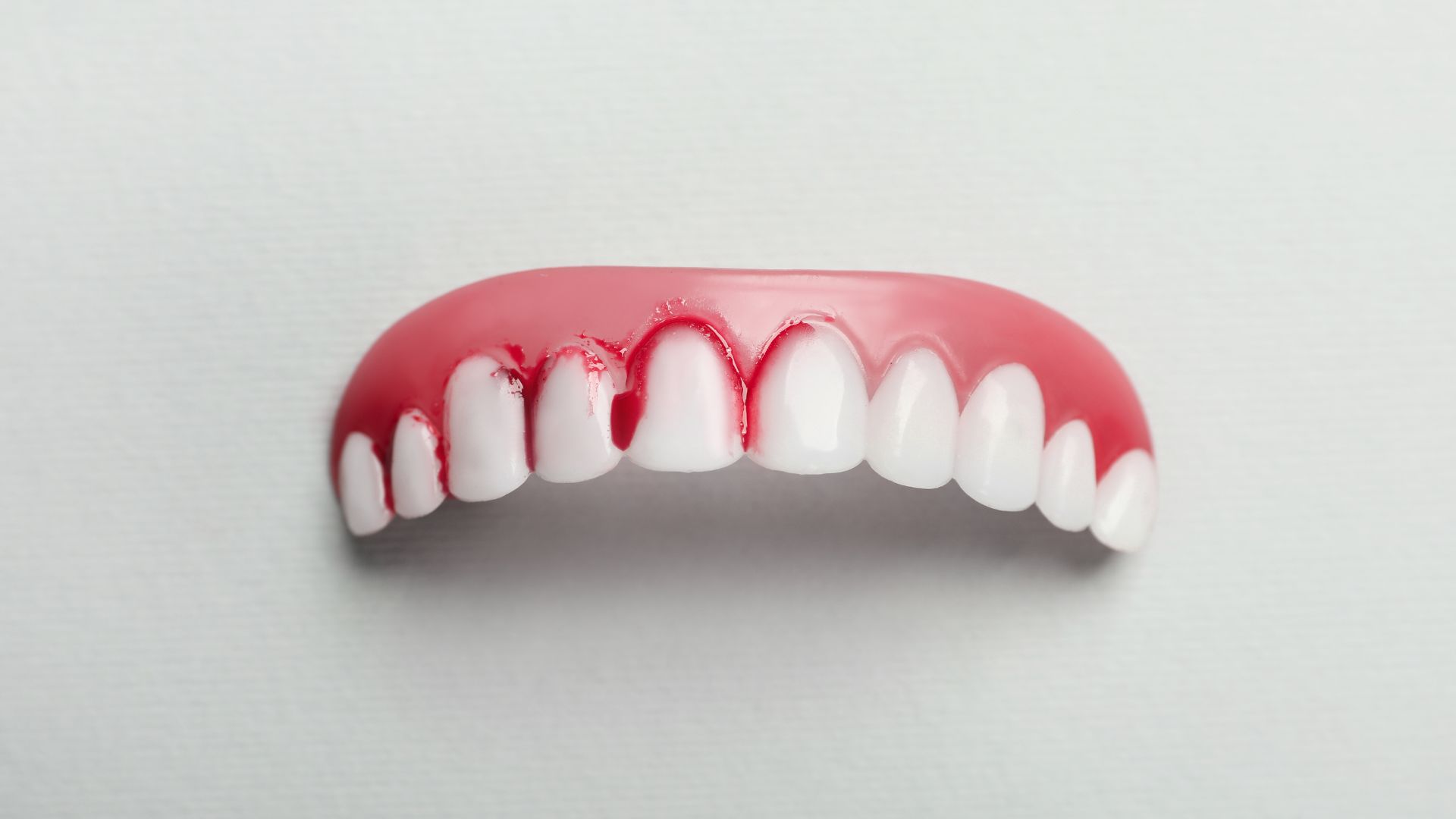
Seeing a little blood when flossing can be alarming, but it usually means you’r