

A toothache has a way of getting your attention. It might begin as a slight twinge when you drink something cold, discomfort when you bite down, or a dull ache that comes and goes. Sometimes, tooth pain arrives suddenly — and makes it very clear that something isn’t right.
There are many possible causes of tooth pain, from relatively minor sensitivity to decay, a damaged tooth, or an infection that needs prompt treatment. Because it can be difficult to tell what’s happening just from the way your tooth feels, persistent or significant pain is worth having checked by a dentist.
If you’re experiencing tooth pain in Etobicoke, here are eight common causes — and some signs that it’s time to make an appointment.
1. Tooth Decay
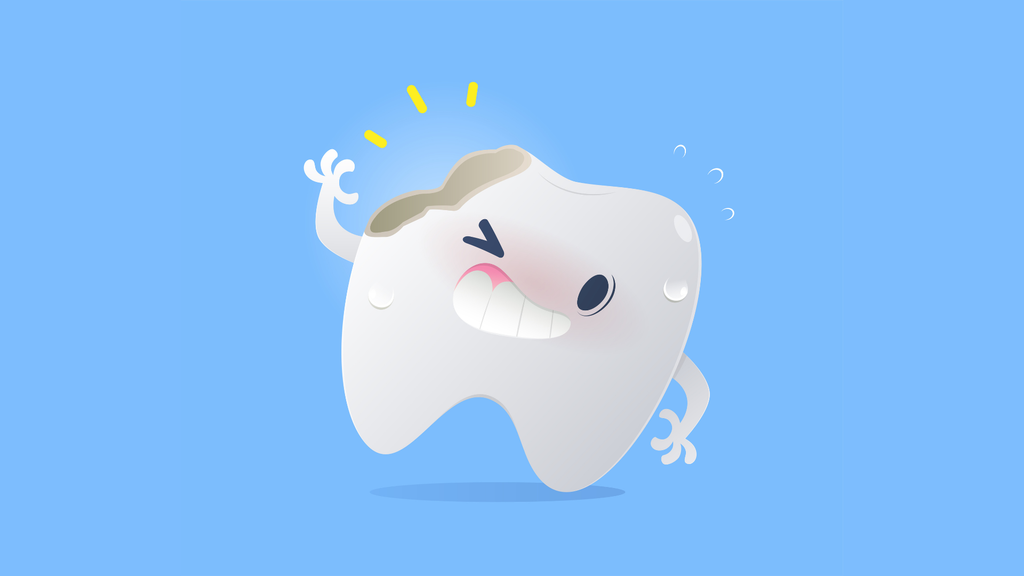
Cavities are one of the most familiar causes of tooth pain. Decay can gradually damage the outer layers of a tooth and eventually reach the more sensitive tissue underneath.
You might notice sensitivity to sweets or hot or cold foods, discomfort when chewing, or an ache in one particular tooth. A small cavity may cause few or no symptoms at first, which is one reason regular dental checkups are so valuable.
Treating decay early may allow your dentist to repair the tooth with a relatively straightforward filling, rather than waiting until more extensive treatment is needed.
2. Tooth Sensitivity

Does a sip of ice water make you wince? Tooth sensitivity can occur when dentin, the layer beneath your tooth’s protective enamel, becomes exposed.
Enamel wear, tooth decay and receding gums are among the possible reasons teeth become sensitive. Occasional mild sensitivity isn’t necessarily an emergency, but new, persistent or worsening sensitivity should be investigated. What feels like a “sensitive tooth” could have another underlying cause.
3. A Cracked or Broken Tooth
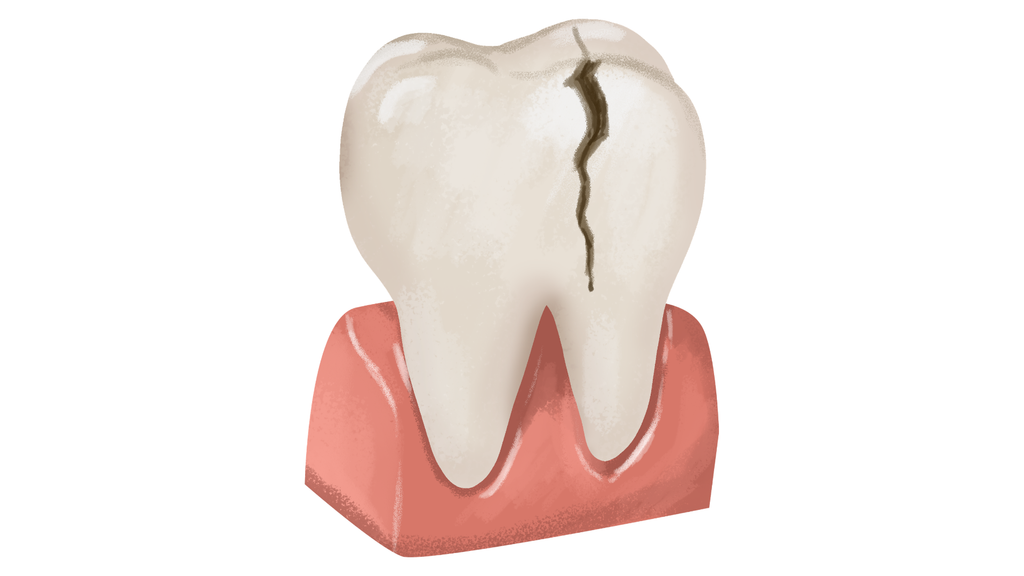
Teeth are strong, but they aren’t indestructible. Biting down on something hard, an injury to your mouth, grinding your teeth, or simply years of wear can sometimes result in a crack or fracture.
A cracked tooth can be tricky because the pain may come and go. You might feel a sharp pain when you bite (or release your bite), or sensitivity when the tooth is exposed to temperature changes.
Don’t ignore a suspected crack simply because the pain disappears. Call us at Li Family Dental as soon as you notice a cracked tooth to prevent possible infection.
4. A Damaged or Lost Filling
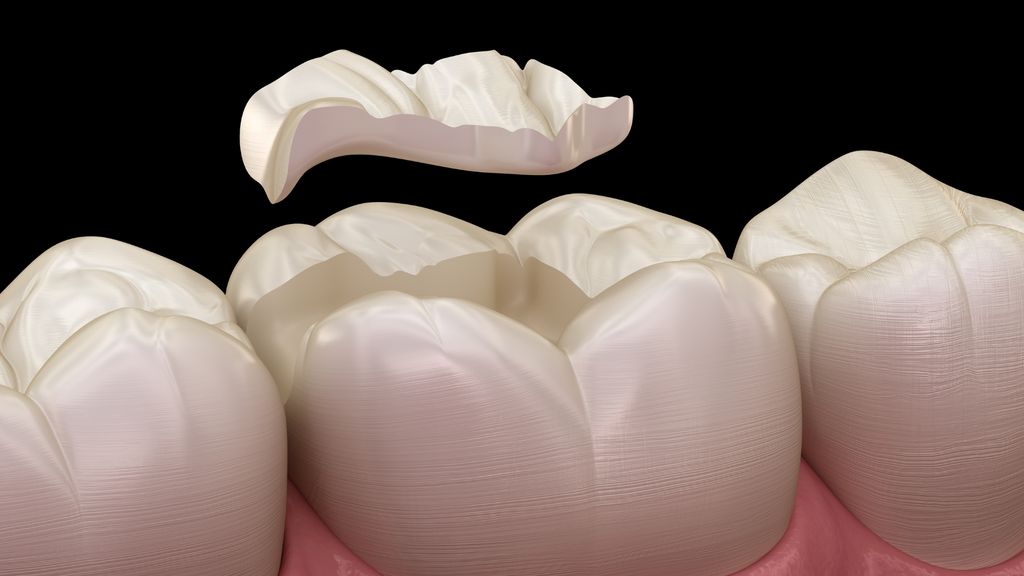
Fillings don’t necessarily last forever. Over time, a filling can wear down, loosen, crack or fall out, leaving the tooth underneath more vulnerable.
You may notice a rough or sharp area with your tongue, increased sensitivity, pain when chewing, or simply realize that part of your filling is missing.
Even if it doesn’t hurt, it’s a good idea to have the tooth examined rather than waiting for discomfort to develop.
5. An Infected Tooth
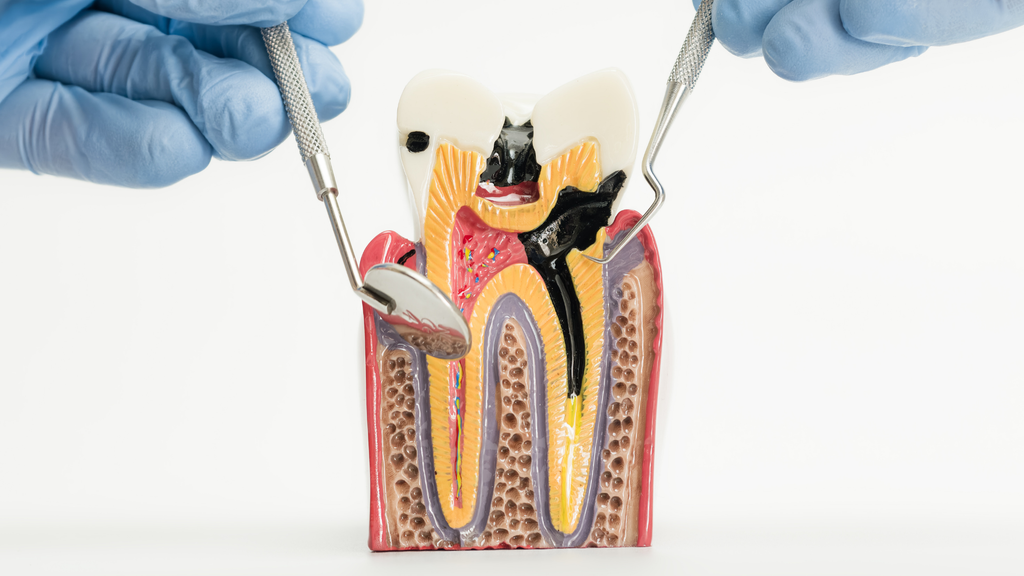
Sometimes tooth pain comes from infection inside the tooth, where the pulp containing nerves and blood vessels is located.
Possible warning signs can include persistent or severe toothache, prolonged sensitivity to heat or cold, pain when chewing, swelling or tenderness around the tooth, and sometimes a small bump on the gum.
Depending on the diagnosis, root canal treatment may be used to remove infected tissue and preserve the natural tooth. Don’t wait for severe pain before asking your dentist to investigate a tooth that doesn’t feel right.
6. Gum Problems
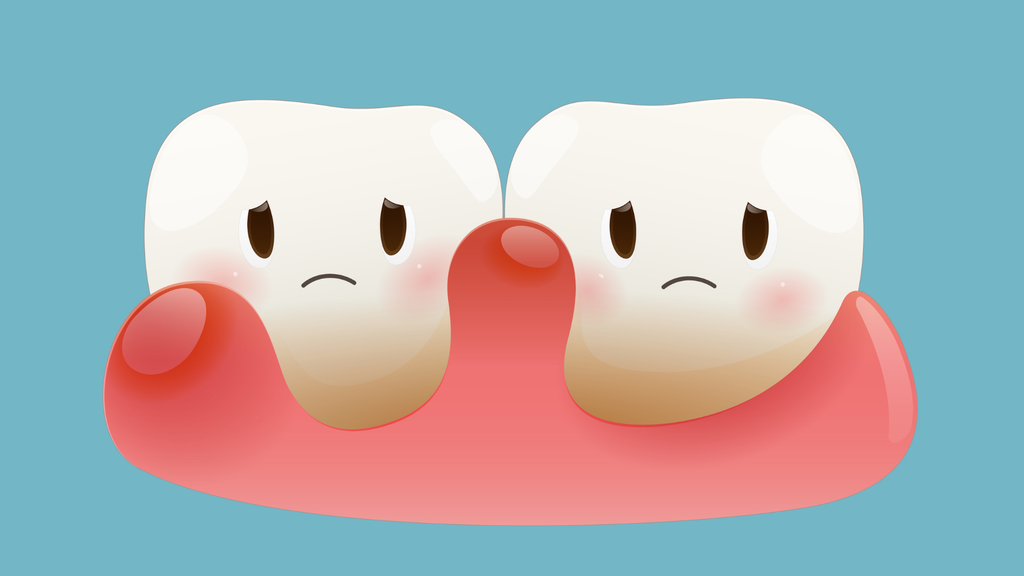
Not every “toothache” actually begins in a tooth.
Inflamed or receding gums can cause tenderness and sensitivity around the teeth. Gum recession can also expose parts of the tooth that are normally protected, resulting in sensitivity, particularly to hot and cold temperatures.
Bleeding, swollen or tender gums are another reason to mention your symptoms at your dental visit.
7. Wisdom Teeth
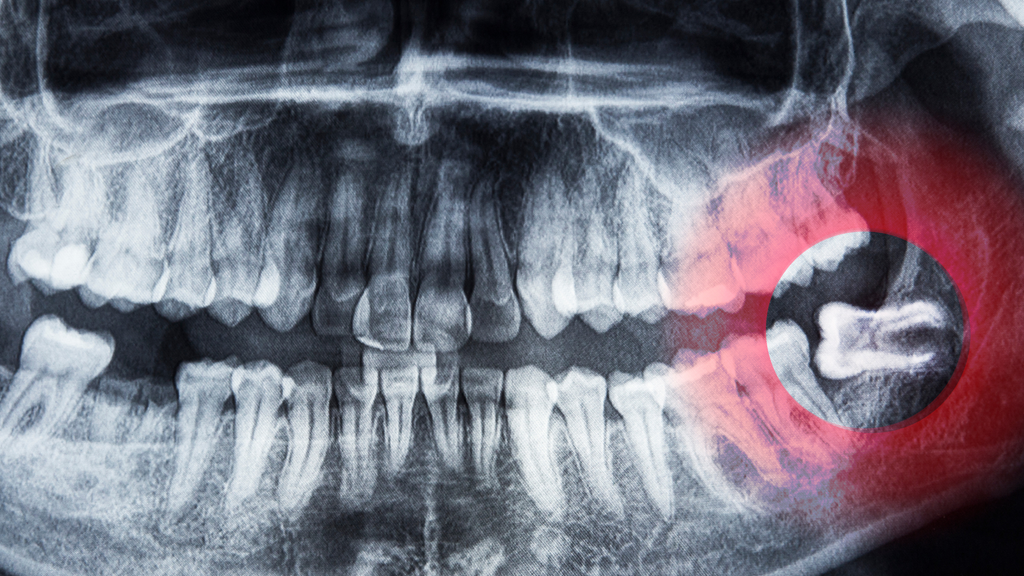
If the pain is toward the very back of your mouth, your wisdom teeth could be involved.
Wisdom teeth can cause problems as they emerge or when there isn’t adequate room for them. Depending on what’s happening, you might experience pain at the back of the jaw, tender or swollen gums, or discomfort around a partially erupted tooth. Unexplained pain at the back of your mouth is always worth having assessed.
8. Grinding or Clenching Your Teeth

Sometimes the culprit isn’t decay or infection at all. Regularly grinding or clenching your teeth can put considerable pressure on your teeth and jaw.
You may be doing it without realizing it, particularly while you’re asleep. Signs can include aching or sensitive teeth, jaw discomfort, headaches, or teeth that show signs of excessive wear.
If you frequently wake up with sore teeth or a tired-feeling jaw, tell your dentist. An examination can help determine whether grinding or clenching may be contributing.
When Is Tooth Pain a Dental Emergency?
Not every brief twinge requires emergency treatment, but certain symptoms shouldn’t be put off.
Seek prompt dental attention for severe or persistent tooth pain, significant swelling, a broken or knocked-out tooth, or signs that a tooth may be infected. Contact our office as soon as possible and we will make every effort to provide same-day examination and treatment for dental emergencies.
If facial or neck swelling is making it difficult to breathe or swallow, seek emergency medical care immediately.
Why Does My Tooth Hurt? Don’t Wait for a Toothache to Get Worse
Pain is your body’s way of telling you that something needs attention. While a toothache doesn’t automatically mean there’s a serious problem, figuring out the cause early can often prevent a relatively manageable dental issue from becoming more complicated.
At Li Family Dental in Etobicoke, we can examine the painful tooth, determine what’s causing the discomfort, and recommend the appropriate treatment to help get your smile feeling comfortable again.
If you have a toothache or dental pain that isn’t going away, contact Li Family Dental to schedule an appointment.