

Since there are so many different components to oral health, and each component plays a role in overall health, it’s important to have a variety of dental specialties that address specific issues. There are several different types of dentists and, depending on the type of dental issue you’ve encountered, you may require a specialist to get the care you need. Here is more information on dental specialties and who does what.
Table of Contents
Endodontics
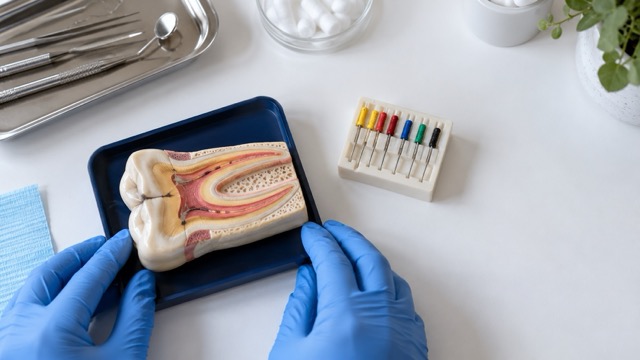
Endodontics is a specialized branch of dentistry that deals with the diagnosis, prevention, and treatment of diseases or injuries to the dental pulp, which is the soft inner tissue of the tooth. Endodontists are trained to perform root canal therapy, which involves removing infected or damaged pulp from the tooth, cleaning and disinfecting the root canals, and then filling and sealing them to prevent further damage or infection. Endodontics also includes the diagnosis and treatment of dental pain and infections, as well as the management of traumatic dental injuries.
Periodontics

Periodontics is a branch of dentistry that focuses on the prevention, diagnosis, and treatment of diseases that affect the supporting structures of teeth, including the gums, periodontal ligament, and alveolar bone. These structures are collectively known as the periodontium. The most common periodontal diseases are gingivitis and periodontitis, both of which are caused by bacterial infections in the gums and bone surrounding the teeth.
Periodontists, who are specialists in this field, use a variety of treatments to manage and prevent these diseases, including scaling and root planing (deep cleaning), gum surgery, and dental implants. They may also work closely with other dental and medical professionals to manage complex cases.
Prosthodontics
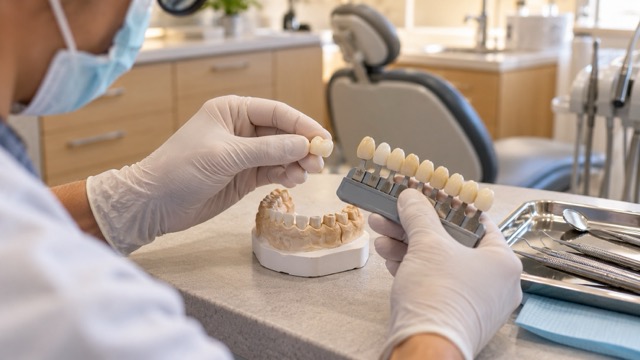
Prosthodontics is a dental specialty that’s concerned with treating more complex dental and facial issues, which include restoring and replacing missing or damaged teeth with artificial solutions. Some of the common devices used by prosthodontists include dental implants, dentures, crowns, and bridges.
Pediatric Dentistry

Pediatric dentistry is a dental specialty that is focused on providing dental care for infants, children, and adolescents. A pediatric dentist has been specially trained to prevent, diagnose and treat common dental issues in children and teens, setting them up for a lifetime of good oral health.
Oral & Maxillofacial Surgery

Oral and maxillofacial surgery sits at the intersection of dental and medical care, specializing in the surgical diagnosis and treatment of conditions affecting the jaws, mouth, face, and surrounding structures of the neck. Some of the conditions that are treated include impacted teeth, facial injuries, head and neck cancer, deformities of the jaw or face, serious oral infections, and salivary gland diseases.
Oral & Maxillofacial Radiology

Oral and Maxillofacial Radiologists work in collaboration with other dental and medical specialists to diagnose and treat various conditions such as dental caries, periodontal diseases, jaw tumours, cysts, and other abnormalities of the teeth and jaws. They use imaging techniques to