

Keeping your child’s smile healthy starts long before their adult teeth appear. In fact, cavity prevention for kids begins with good habits during the early years of childhood. While cavities are one of the most common dental problems among children, the good news is that they are largely preventable.
By understanding how cavities form and encouraging healthy daily habits, parents can help protect their child’s teeth and avoid future dental problems. At Li Family Dental in Etobicoke, we work closely with families to teach children how to care for their teeth and maintain strong, healthy smiles.
Table of Contents
Why Cavity Prevention Is So Important For Children
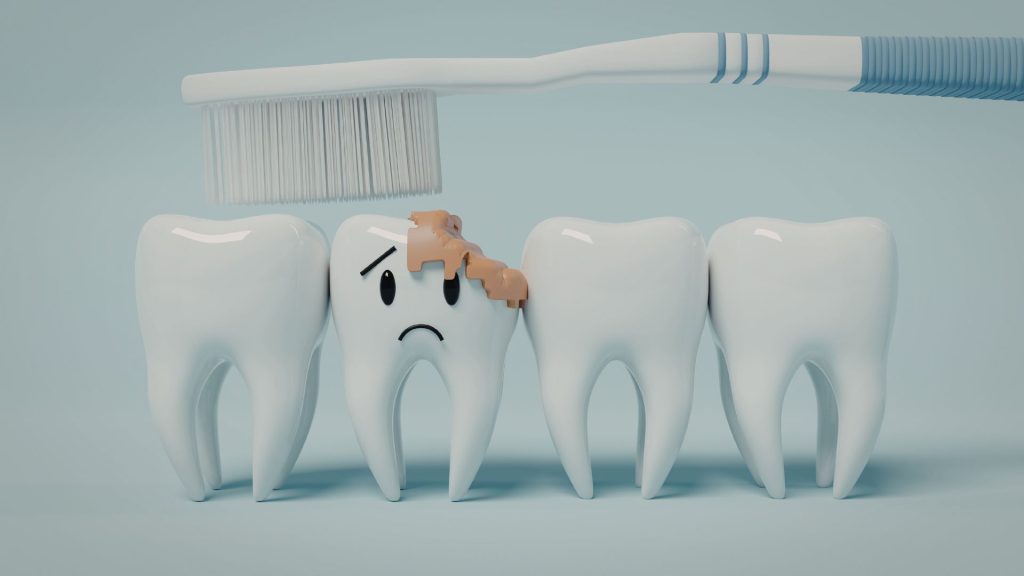
Some parents assume that cavities in baby teeth aren’t a major concern because those teeth eventually fall out. However, baby teeth play an important role in your child’s development.
Primary teeth help children:
- Chew food properly
- Speak clearly
- Maintain space for permanent teeth
- Develop healthy oral habits
When cavities occur, they can lead to pain, infection, and difficulty eating. In some cases, untreated cavities may even affect how adult teeth develop.
Regular visits to a kids dentist in Etobicoke can help detect early signs of tooth decay and prevent small issues from becoming bigger problems.
Let’s explore some of the most effective ways to prevent cavities in kids.
How To Prevent Cavities In Kids
1. Start Brushing Early

Good oral hygiene habits should begin as soon as your child’s first tooth appears.
Parents should gently brush their baby’s teeth twice a day using a soft toothbrush. As children get older, they can gradually learn to brush independently with supervision.
Helpful brushing tips for kids include:
- Use a small amount of fluoride toothpaste
- Brush for two minutes twice daily
- Focus on brushing along the gum line and back teeth
- Supervise brushing until about age 7 or 8
Teaching kids how to brush properly is one of the most effective ways to prevent cavities.
2. Don’t Forget About Flossing

Many parents are surprised to learn that children should start flossing as soon as two teeth touch each other.
Food particles and plaque can easily get trapped between teeth, where toothbrushes can’t reach. Flossing removes these particles and reduces the risk of cavities forming between teeth.
Making flossing part of your child’s nightly routine helps reinforce healthy habits early on.