

Dental problems rarely choose a convenient time to appear. A sudden toothache, a broken tooth, or swelling in your jaw can be stressful — especially when you’re unsure whether you need immediate care or if the issue can wait until a regular appointment.
Knowing when to seek emergency dental care in Etobicoke can help protect your oral health, reduce pain, and prevent small problems from becoming serious. In this guide, we’ll explain what qualifies as a dental emergency, what situations can safely wait, and when to contact an emergency dentist in Etobicoke.
Table of Contents
What Is Considered A Dental Emergency?
A dental emergency is any oral health problem that requires prompt attention to relieve pain, stop bleeding, treat infection, or save a tooth. Some conditions can worsen quickly if left untreated, leading to more complex treatment and long‑term damage.
If you are experiencing severe pain, swelling, bleeding, or trauma to the mouth, it’s best to contact an emergency dentist in Etobicoke as soon as possible.
Common Dental Emergencies That Need Immediate Care
Severe Toothache or Persistent Pain

A sudden or intense toothache is one of the most common reasons patients seek emergency dental care in Etobicoke. Tooth pain can be caused by deep decay, infection, cracked teeth, or gum disease. If the pain is constant, throbbing, or worsening, it often signals an underlying problem that needs urgent treatment.
Delaying care may allow infection to spread, increasing the risk of abscess formation or tooth loss. If over‑the‑counter pain medication is not helping, it’s time to call your Etobicoke dental clinic.
Swelling of the Face, Jaw, or Gums
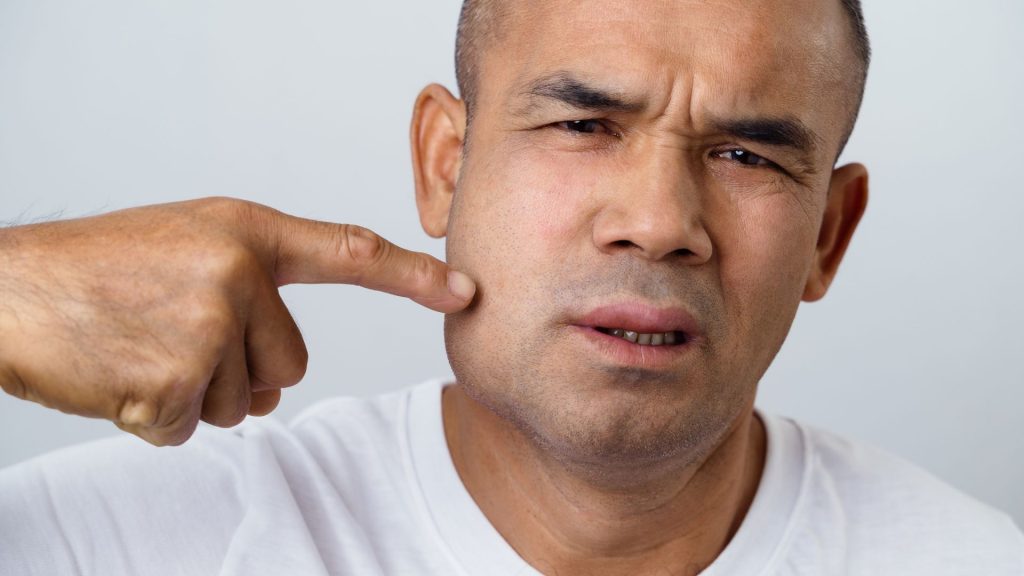
Swelling is never something to ignore. Facial or jaw swelling may indicate a dental abscess or spreading infection. In some cases, swelling can affect breathing or swallowing and become a medical emergency.
If you notice sudden swelling, warmth, redness, or fever along with dental pain, contact an emergency dentist in Etobicoke right away.
Knocked‑Out Tooth
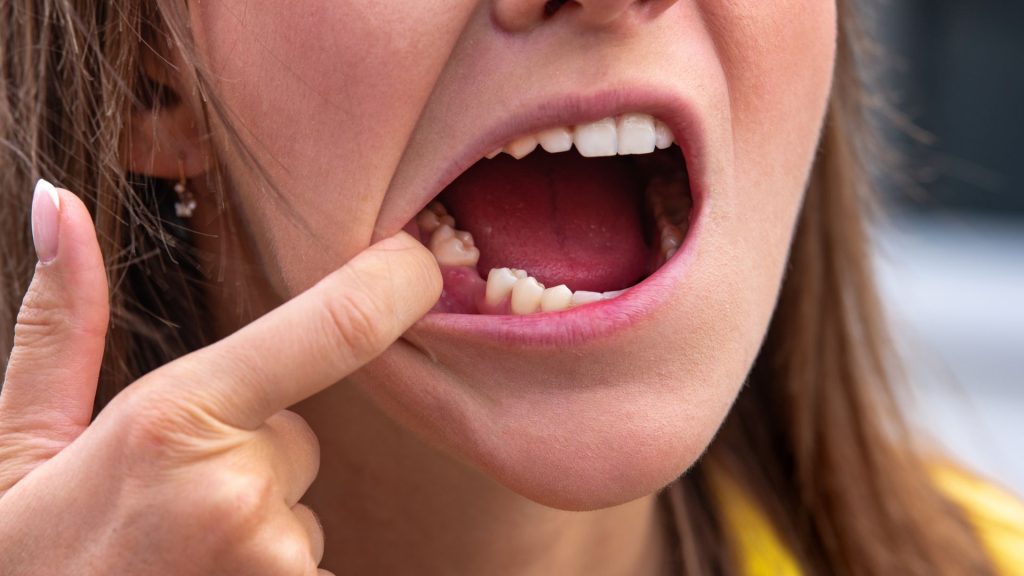
A knocked‑out (avulsed) tooth is a true dental emergency. Acting quickly can sometimes save the tooth.
If a tooth is knocked out, take the following actions:
- Pick it up by the crown (not the root)
- Rinse gently with water if dirty — do not scrub
- Try to place it back in the socket if possible
- If not, store it in milk or saliva
Then seek emergency dental care in Etobicoke immediately. The sooner treatment begins, the better the chances of saving the tooth.
Broken, Cracked, or Fractured Tooth
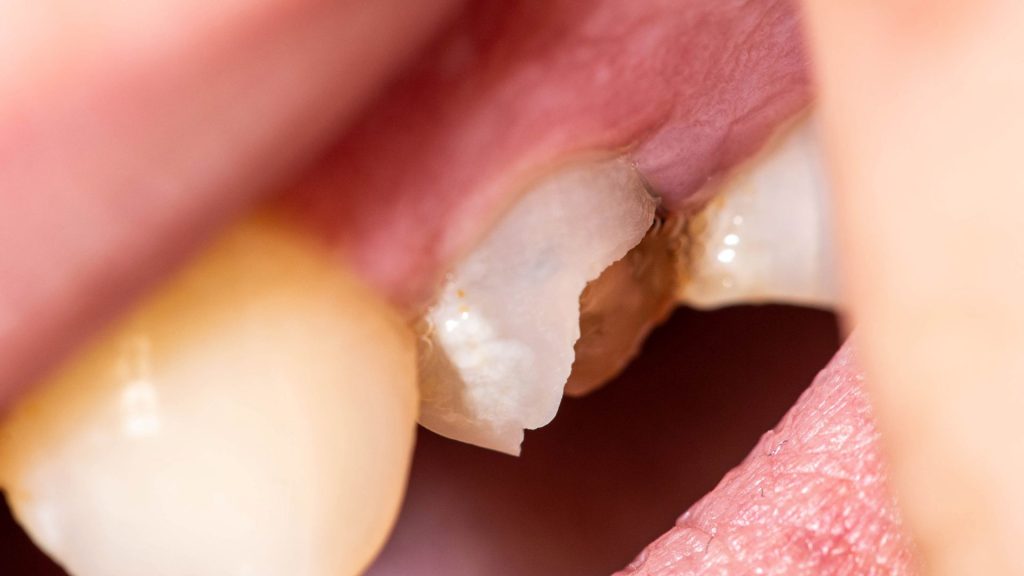
Teeth can break due to trauma, biting hard foods, or weakened enamel. A cracked or broken tooth may expose sensitive inner layers, causing pain and increasing the risk of infection.
If the break is large, painful, or bleeding, it should be treated as a dental emergency. Rinse your mouth with warm water and contact an Etobicoke dentist as soon as possible.
Uncontrolled Bleeding
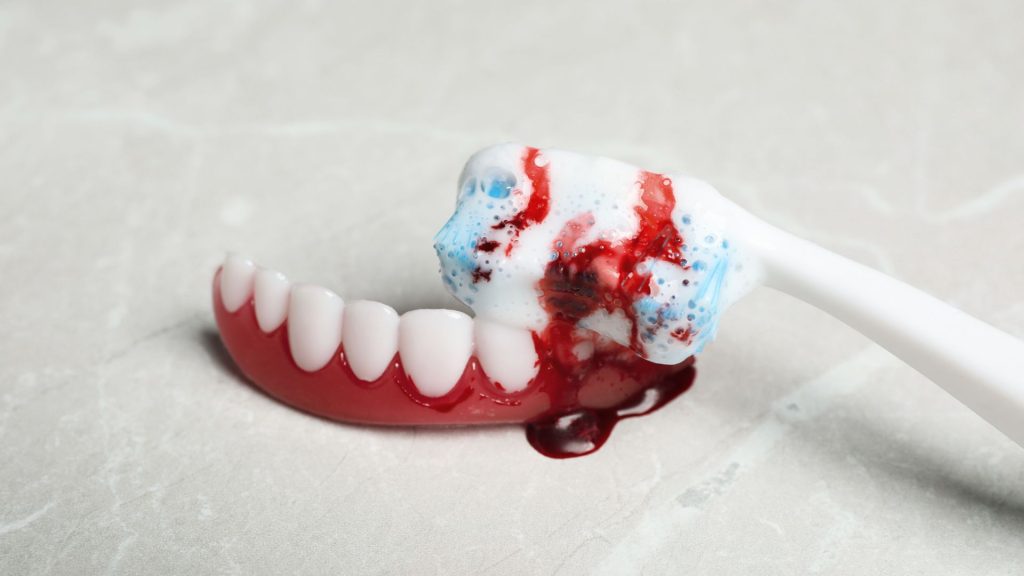
Bleeding that doesn’t stop after applying gentle pressure for 10 to 15 minutes requires urgent care. This may occur after an injury, extraction, or trauma to the mouth.
Persistent bleeding should always be evaluated by an emergency dentist in Etobicoke.
Dental Abscess or Infection
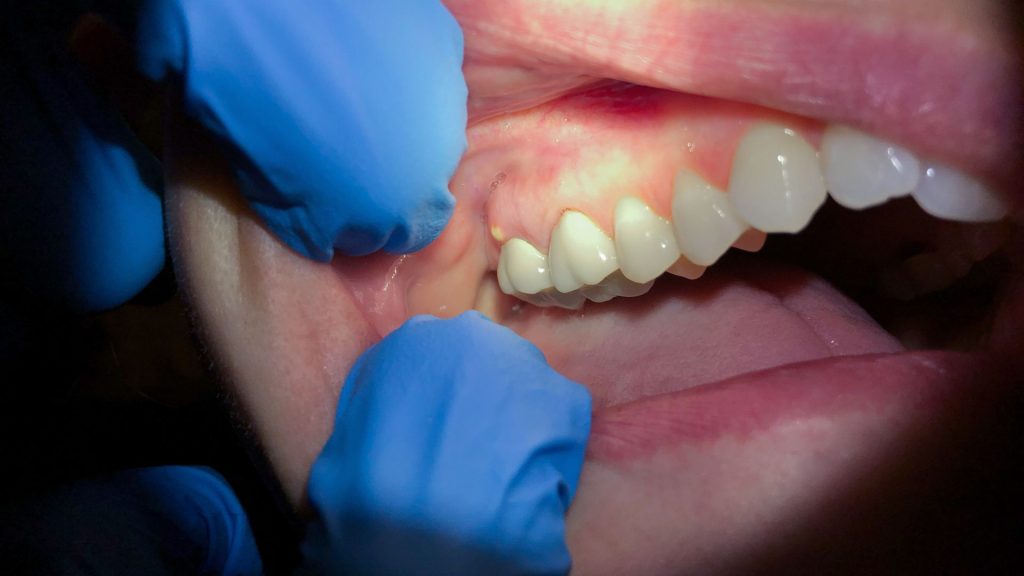
An abscess is a pocket of infection that forms near the root of a tooth or in the gums. Symptoms may include:
- Severe, constant pain
- Swelling of the gums or face
- Fever
- Bad taste or foul odour
- Sensitivity to pressure
Dental infections can spread to other parts of the body if left untreated. Emergency dental treatment is essential to control infection and protect your overall health.
Dental Problems That Can Usually Wait
Not every dental issue requires immediate emergency care. Some concerns can safely be scheduled during regular office hours, especially if they are not causing significant pain or infection.
Minor Tooth Sensitivity

Temporary sensitivity to hot or cold that comes and goes is often not an emergency. While it should still be evaluated by your dentist in Etobicoke, it usually does not require urgent treatment.
Small Chips With No Pain
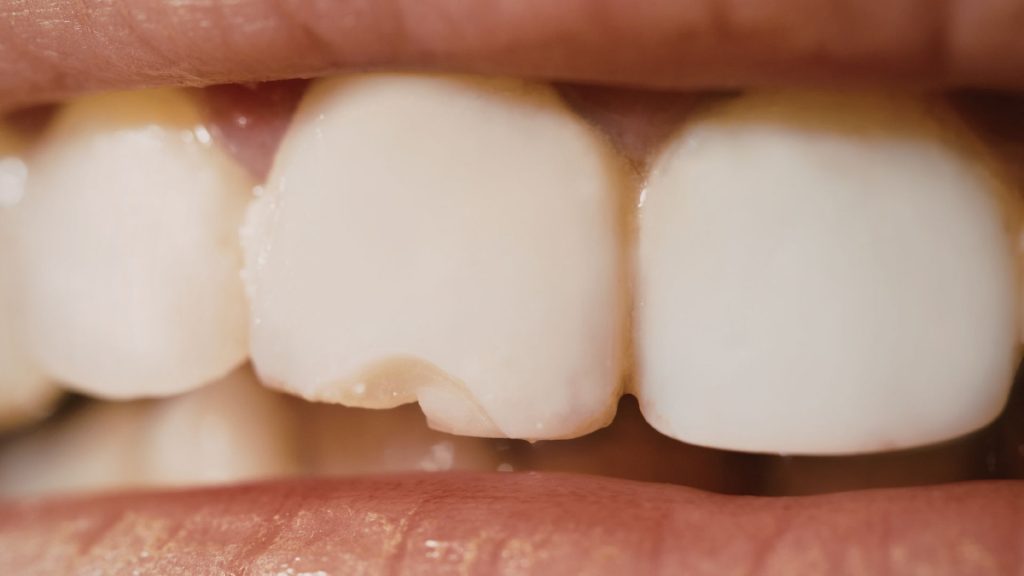
Tiny chips that don’t cause pain or sharp edges can typically wait for a routine dental appointment. Cosmetic repairs can often be scheduled at your convenience.
Lost Fillings or Crowns (Without Pain)
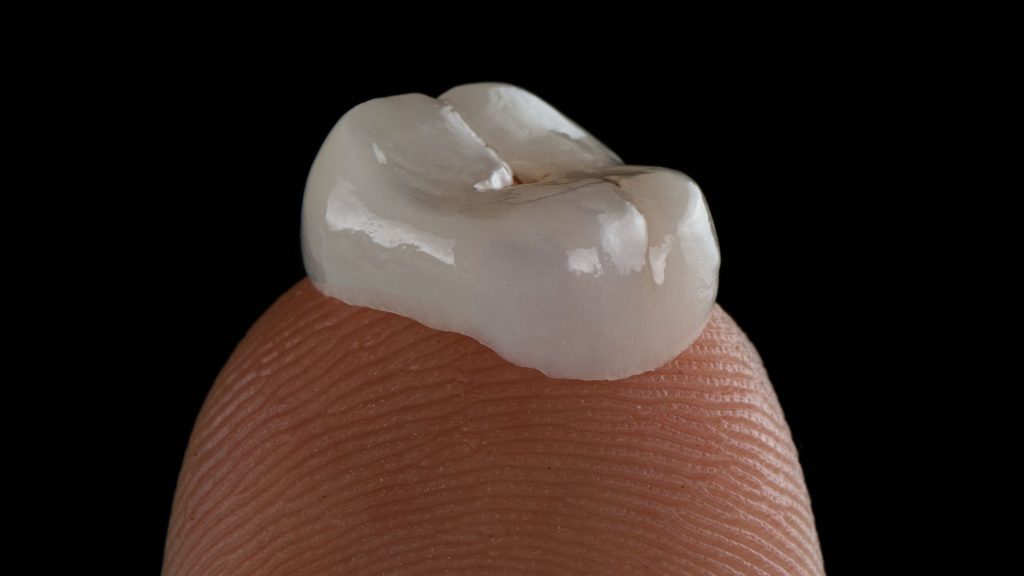
If a filling or crown falls out but you are not in pain, this can usually wait a short time. However, leaving the tooth exposed for too long can increase sensitivity and damage, so booking an appointment soon is still important.
Mild Gum Irritation
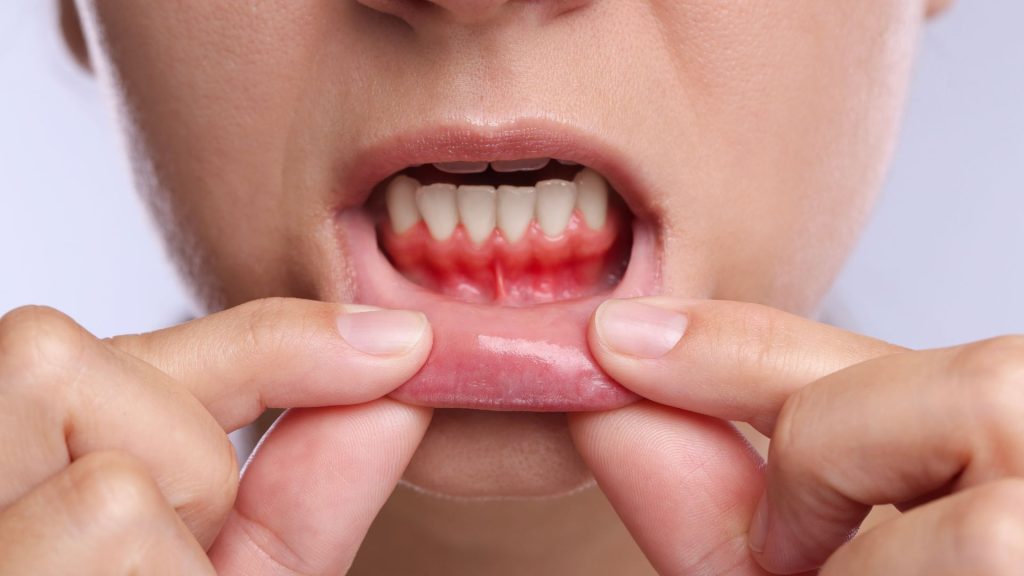
Slight redness or irritation of the gums may be managed with improved oral hygiene until your next dental visit. However, if swelling, pain, or bleeding worsens, it should be assessed promptly.
What To Do Before You See An Emergency Dentist In Etobicoke
If you experience a dental emergency, taking the right steps before arriving at the dental clinic can help reduce pain and prevent further damage:
- Rinse your mouth gently with warm salt water
- Apply a cold compress to reduce swelling
- Take over‑the‑counter pain relievers as directed (avoid placing medication directly on gums)
- Avoid chewing on the affected side
Never ignore signs of infection, swelling, or trauma — early treatment makes a significant difference in outcomes.
Why Prompt Emergency Dental Care Matters

Seeking emergency dental care in Etobicoke quickly can:
- Relieve pain sooner
- Prevent infections from spreading
- Reduce the risk of tooth loss
- Avoid more complex treatment later
- Protect your overall health
Many serious dental problems begin as minor issues. Acting early often allows for simpler, more comfortable treatment and faster recovery.
How To Reduce Your Risk Of Dental Emergencies
While not all emergencies can be prevented, good dental care habits can lower your risk:
- Visit your Etobicoke dentist regularly for checkups and cleanings
- Address small cavities or cracks early
- Wear a mouthguard during sports
- Avoid chewing ice or very hard foods
- Maintain proper brushing and flossing routines
Preventive dentistry plays a key role in avoiding unexpected dental pain and urgent visits.
When To Contact An Emergency Dentist In Etobicoke

If you are unsure whether your situation is a true emergency, it is always better to call and ask. Many serious dental problems begin quietly and worsen quickly without proper care.
You should contact an emergency dentist in Etobicoke right away if you are experiencing:
- Severe or persistent tooth pain
- Swelling in the face, jaw, or gums
- Bleeding that does not stop
- A knocked‑out or loose tooth
- Signs of infection such as fever or pus
Prompt treatment can often save a tooth, reduce discomfort, and prevent more complex procedures later.
Get Prompt Emergency Dental Care in Etobicoke
Dental emergencies are stressful — but you do not have to face them alone. At Li Family Dental, our experienced team is here to provide calm, compassionate, and effective emergency dental care in Etobicoke when you need it most.
We take the time to assess your condition carefully, explain your treatment options clearly, and relieve pain as quickly and comfortably as possible. Our goal is not only to treat the emergency, but to protect your long‑term oral health.
If you are experiencing sudden tooth pain, swelling, trauma, or signs of infection, do not wait for the problem to worsen.
Call Li Family Dental today at 416-232-2033 to speak with our team and arrange urgent dental care with your trusted Etobicoke dentist.
Frequently Asked Questions About Emergency Dental Care In Etobicoke
How quickly should I see an emergency dentist?
If you have severe pain, swelling, bleeding, or a knocked‑out tooth, you should seek care as soon as possible. Acting quickly improves the chances of saving your tooth and preventing infection from spreading.
Is a toothache always a dental emergency?
Not every toothache requires emergency care, but persistent, worsening, or severe pain usually indicates an underlying issue such as decay or infection. If pain lasts more than a day or interferes with sleep or eating, contact your Etobicoke dentist promptly.
What should I bring to an emergency dental appointment?
Bring your health card, insurance information, and a list of any medications you are taking. If a tooth or restoration has come out, bring it with you in a clean container if possible.
Can I wait until morning if pain starts at night?
Mild discomfort may be monitored briefly, but intense pain, swelling, or trauma should not be ignored. Dental infections and injuries can worsen overnight. When in doubt, call your emergency dentist in Etobicoke for guidance.