

Waking up with jaw pain might seem like a small inconvenience, especially if it fades as the day goes on—but it’s often a sign that something deeper is going on. Persistent or recurring jaw discomfort, whether it appears only in the morning or lasts throughout the day, shouldn’t be ignored. It may point to common conditions such as temporomandibular joint disorder (TMJ), bruxism (teeth grinding), or sleep apnea.
While jaw pain can also stem from issues like arthritis, dental infections, impacted wisdom teeth, or past injuries, the leading causes of morning jaw pain remain TMJ, bruxism, and sleep apnea. Here’s what you need to know.
Navigate Our Morning Jaw Pain Guide: Causes to Treatments
Understanding TMJ Disorders
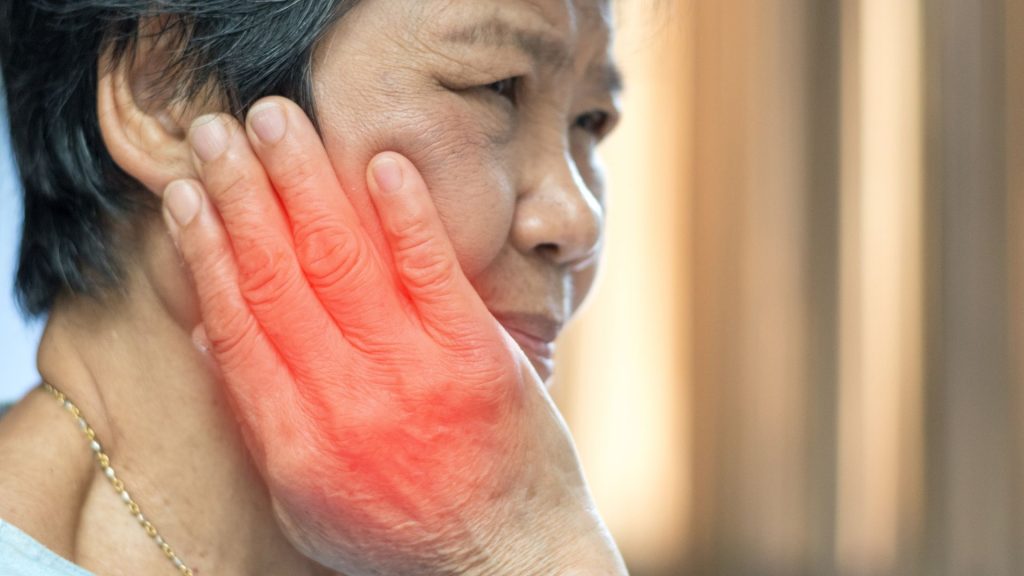
TMJ disorders affect the joint connecting your jawbone to your skull, and they can develop for a variety of reasons, including:
- Jaw dislocation
- Bite or jaw misalignment
- Teeth grinding or clenching
Common symptoms include:
- Jaw or facial pain
- Pain when opening your mouth
- Discomfort in the neck or around the ears
- Difficulty chewing
- Clicking or popping sounds
- Locking of the jaw
- Frequent headaches
- Tension in the neck and shoulders
If you recognize these symptoms, speak with your dentist. A thorough exam can confirm whether TMJ is the cause and help guide appropriate treatment.
Bruxism: Why Grinding Leads To Morning Jaw Pain

Bruxism occurs when you clench, grind, or gnash your teeth—most often during sleep, though it can also happen when awake, especially during stressful moments. Even mild grinding can leave your jaw muscles tired and sore. More severe cases can lead to cracked or chipped teeth, significant wear, headaches, and TMJ disorders.
Signs of bruxism include:
- Grinding loud enough to wake a partner
- Worn, loose, or flattened teeth
- Enamel loss
- Tooth sensitivity
- Sore or fatigued jaw muscles
- Jaw locking
- Facial, neck, or ear pain
- Headaches near the temples
- Cheek chewing
- Interrupted sleep
Many symptoms overlap with TMJ, which is why evaluation is important.
Sleep Apnea: A Serious Contributor To Jaw Pain

Sleep apnea is a medical condition where breathing repeatedly stops and restarts throughout the night. The most common form, obstructive sleep apnea, occurs when throat muscles overly relax. Central sleep apnea, though less common, involves the brain failing to properly signal breathing muscles.
Regardless of the type, sleep apnea puts stress on the cardiovascular system and can lead to serious health complications.
Symptoms include:
- Loud, chronic snoring
- Episodes of paused breathing or gasping (often noticed by a partner)
- Morning dry mouth
- Waking with a headache or jaw discomfort
- Persistent fatigue
- Difficulty concentrating
- Irritability
- Nighttime restlessness or insomnia
If these symptoms sound familiar, especially if someone has observed your breathing at night, you should speak to a healthcare professional promptly.
Why Morning Jaw Pain Shouldn’t Be Ignored
Because jaw pain overlaps with several conditions—some uncomfortable, some potentially dangerous—early evaluation is key. TMJ disorders can progress to the point that eating, speaking, swallowing, and even breathing become more difficult. Sleep apnea, if untreated, can increase the risk of heart problems and other serious complications.
Discussing your symptoms with your dentist allows them to investigate the true cause and determine whether dental treatment or a medical referral is needed.
Treatment Options Based On The Cause
TMJ Treatment
TMJ care focuses on addressing the underlying issue, which may include bruxism, sleep apnea, bite problems, or injury. A personalized treatment plan may include:
- Anti-inflammatory medications
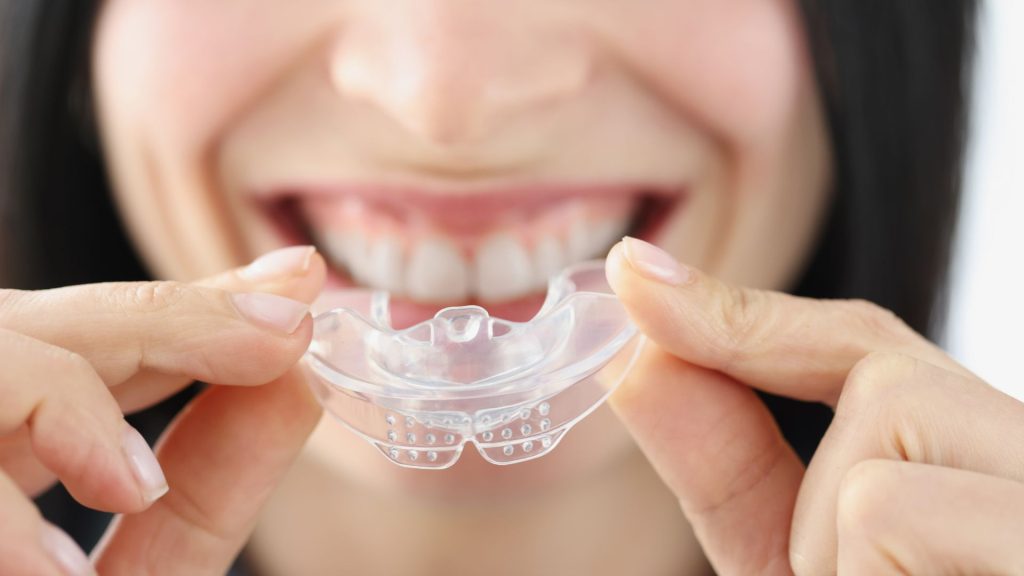
- A nightguard or oral splint
- Bite correction or orthodontic treatment
You may also receive recommendations to help prevent flare-ups, such as avoiding the following habits:
- Nail biting
- Biting down on hard or chewy foods
- Chewing ice
- Using your teeth as tools
Severe cases of TMJ may require surgical intervention.
Bruxism Treatment
Management of bruxism often includes:
- Nightguards or splints
- Bite or dental corrections
- Treatments for tooth sensitivity
- Reshaping worn chewing surfaces
If grinding has damaged your teeth, crowns may be necessary. Stress-reduction strategies can also help minimize clenching.
Sleep Apnea Treatment
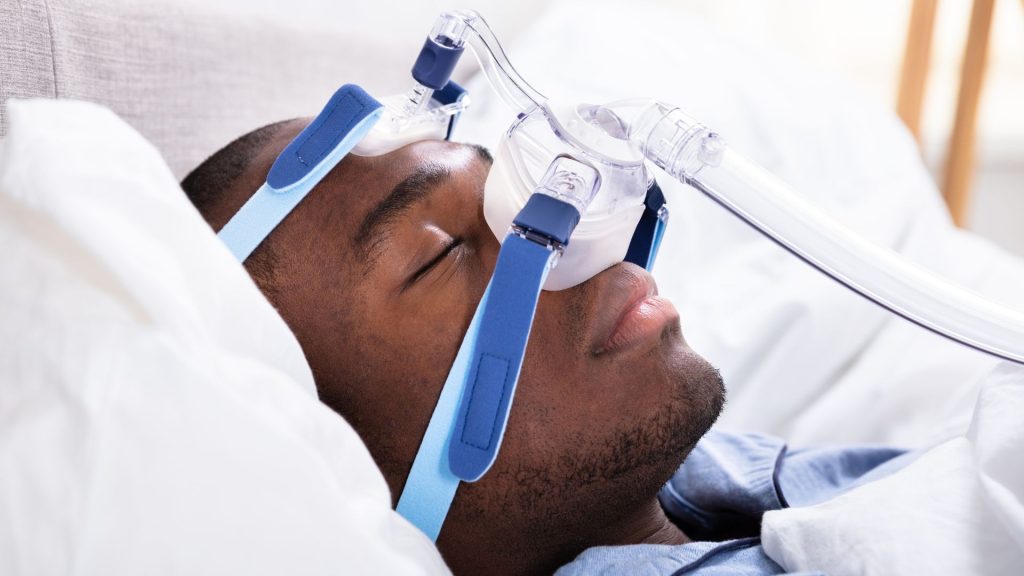
Your dentist will first determine whether the apnea is obstructive or central. Dentists can treat obstructive sleep apnea using:
- CPAP therapy
- Custom dental appliances
- Tongue-retaining devices
Lifestyle changes may also help, including:
- Weight management
- Reducing alcohol and tobacco use
- Avoiding sedatives before sleep
If the cause is beyond the scope of dental treatment, you’ll be referred to your physician for further evaluation.
Take Your Morning Jaw Pain Seriously
Jaw pain shouldn’t be brushed aside—especially when it shows up consistently in the morning. Identifying the cause early allows for effective treatment and helps protect your long-term health.
If you’ve been waking up with jaw discomfort, call us at 416-232-2033 or click here to request an appointment. We’re here to help you find relief and restore your comfort.