

Your teeth are incredibly strong — but they’re not unbreakable. One of the most common causes of cracked or fractured teeth is biting down on foods that are harder than they seem. In fact, many dental emergencies are linked to everyday foods people don’t realize can damage enamel.
Cracked teeth don’t always cause immediate pain, which makes them especially risky. Left untreated, even small cracks can worsen over time, leading to sensitivity, infection, or tooth loss. Knowing which foods can crack your teeth allows you to make smarter choices and protect your long-term oral health.
Below are the top 10 foods that can crack your teeth, along with practical tips to reduce your risk.
Table of Contents
Top 10 Foods That Can Crack Your Teeth
1. Ice
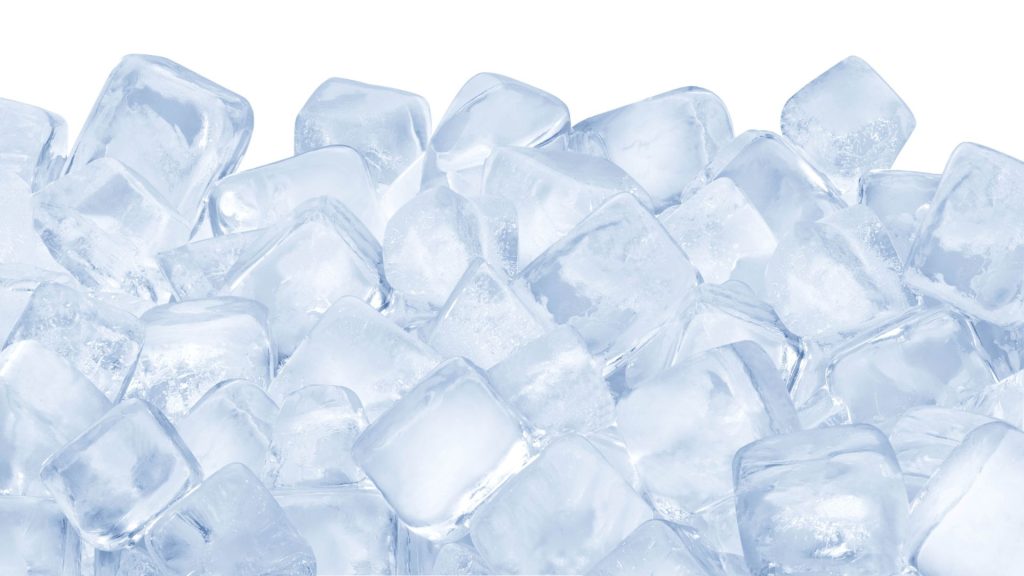
Chewing ice is one of the leading causes of cracked teeth. Ice is extremely hard, and biting down on it places intense pressure on enamel, especially if you already have fillings or crowns.
Enamel is the hardest substance in your body, yes, but it’s not the hardest substance out there. Ice is harder than your enamel, so biting on ice cubes is not all that much different from chewing on rocks, because they’d have the same devastating effects — broken teeth.
Back teeth with larger fillings are especially vulnerable to the damage ice cubes can cause. So, if you have this bad habit, it’s time to break it — instead of your teeth.
Tip: Enjoy cold drinks, but let the ice melt. Avoid chewing ice entirely.
2. Hard Candy
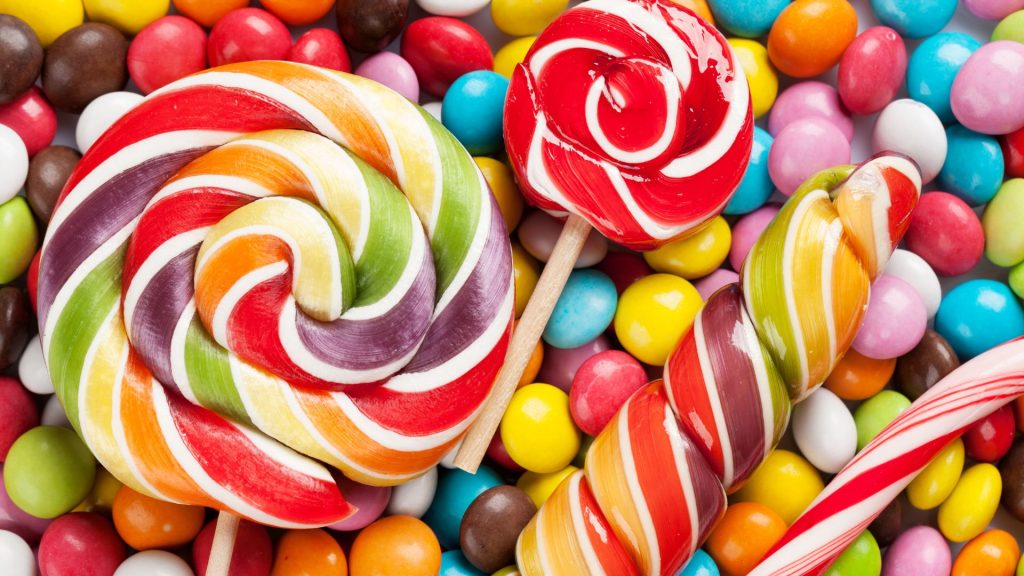
Lollipops, jawbreakers, and other hard candies may seem harmless, but they’re one of the most common causes of cracked or chipped teeth. Because hard candies don’t soften quickly, biting down on them places intense pressure on tooth enamel — especially on molars and teeth with fillings or crowns.
Even a single bite can cause a small fracture that worsens over time, leading to pain, sensitivity, or infection. For this reason, it’s best to let hard candy dissolve slowly or avoid it altogether to protect your teeth.
Tip: Let hard candy dissolve slowly or choose softer alternatives.
3. Unpopped Popcorn Kernels
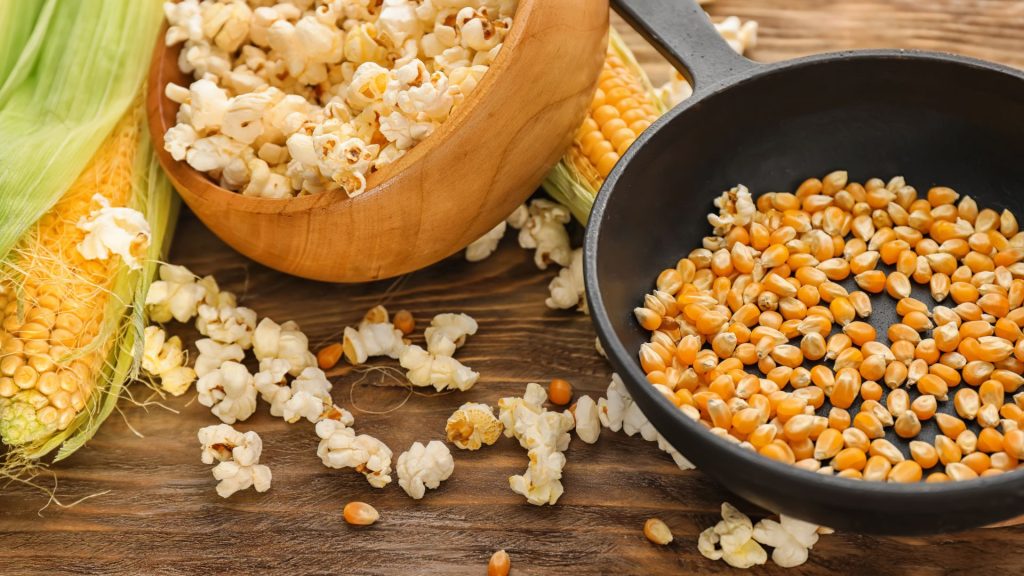
While popcorn is the perfect low-calorie snack for movie nights and lounging around, it’s not quite so perfect for your teeth. First, the husks can get wedged between your teeth or under your gums, causing what is called a popcorn abscess.
Not only is this infection painful, but it is also quick to spread. Some dental floss or, in more severe cases, a dose of antibiotics, is needed to take care of it.
However, the leading cause of concern when it comes to popcorn is the unpopped or partially popped kernels. Biting down on one can very easily crack a tooth. Bottom line, be very careful when eating popcorn – stick to the fluffy, buttery bits, and avoid chewing on the kernels.
Tip: Chew slowly and stop eating if you feel anything unusually hard.
4. Hard Nuts
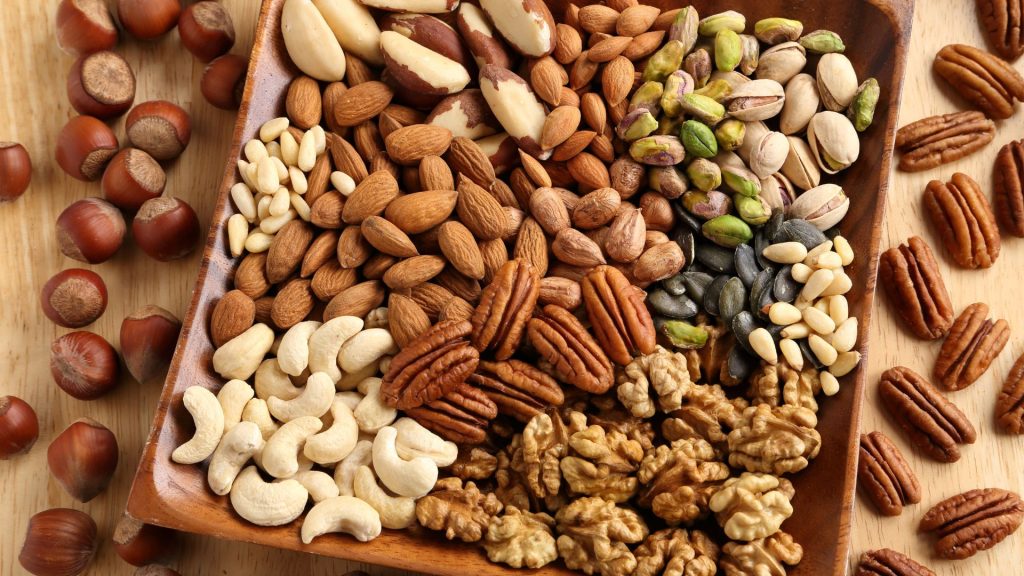
Hard nuts like almonds are a nutritious snack, but their hard, dense texture can put significant stress on your teeth when bitten whole. Biting down on nuts — especially with molars or teeth that have fillings, crowns, or existing cracks — can lead to chips or fractures in the enamel.
Repeated pressure over time can also weaken teeth, making them even more prone to cracking. To reduce the risk, it’s safer to choose sliced or chopped nuts, or opt for almond butter instead.
Tip: Choose chopped or sliced nuts or nut butters instead of whole nuts.
5. Crusty Bread and Hard Rolls
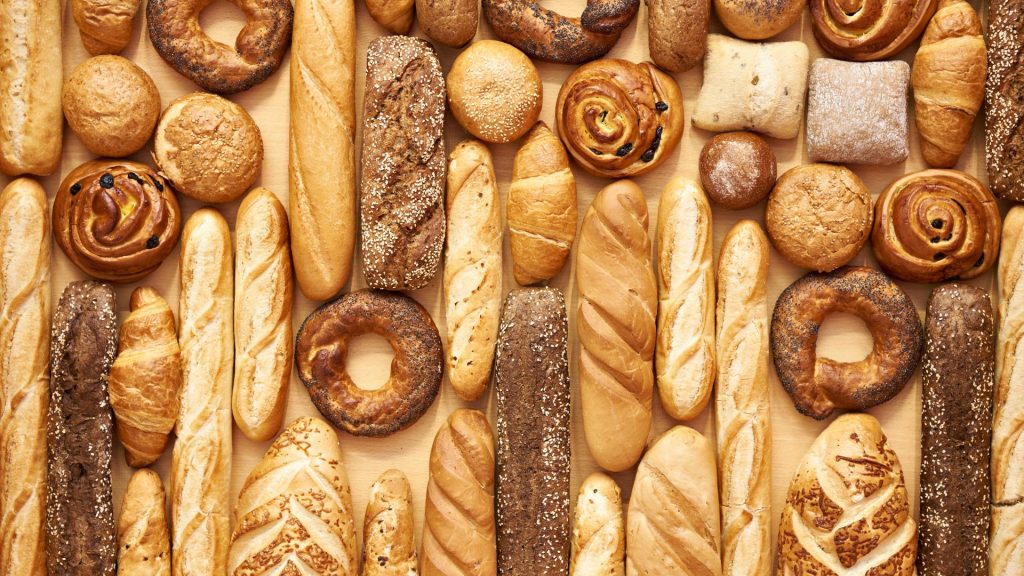
Hard, crusty artisan breads may be delicious, but their thick, rigid crusts can be tough on your teeth. Biting directly into very firm bread creates uneven pressure on enamel, especially if the crust is dense or overbaked. This force can lead to small cracks or chips, particularly in teeth that already have fillings or weakened enamel.
Breaking hard, crusty bread into chunks before eating can help reduce stress on your teeth and lower the risk of damage.
Tip: Tear bread into smaller pieces rather than biting directly into a hard crust.
6. Bones (Chicken, Fish, or Meat)
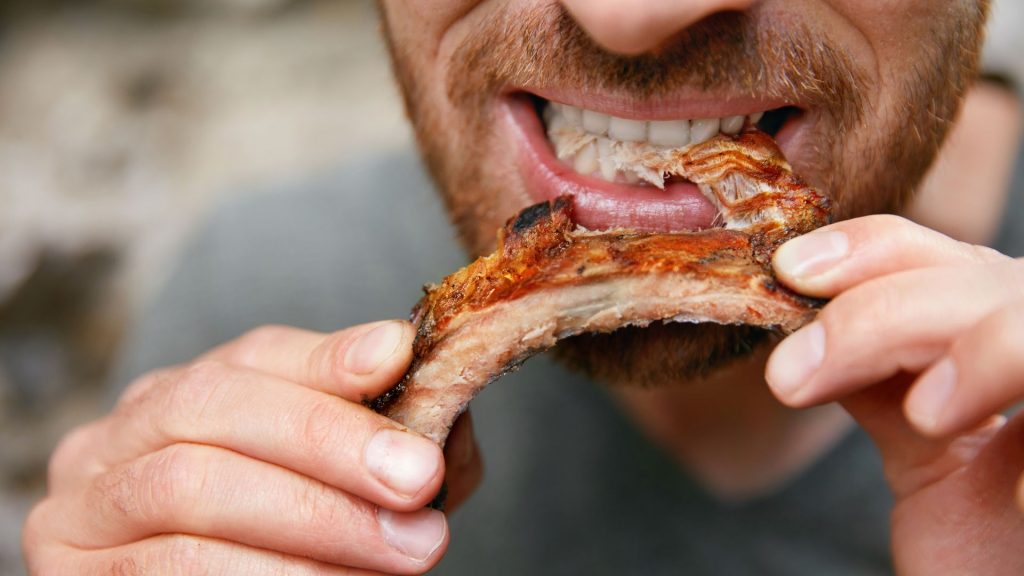
Biting down on meat bones is a common cause of sudden tooth fractures. Bones are much harder than tooth enamel, and even a brief, unexpected bite can place extreme pressure on a tooth, leading to cracks or chips. This type of damage often happens without warning and can affect healthy teeth as well as those with existing dental work.
Tip: Eat carefully and avoid biting aggressively when bones may be present.
7. Frozen Foods and Treats
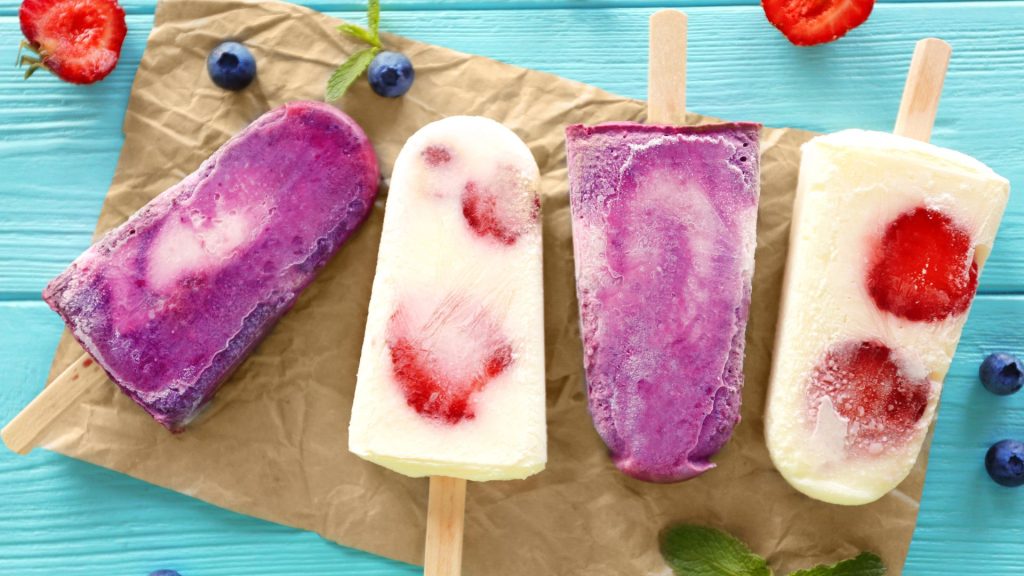
Frozen treats and desserts can pose a risk to your teeth because of their extremely hard texture when eaten straight from the freezer. Biting into frozen fruit, ice cream bars, or popsicles places significant stress on tooth enamel, which can lead to cracks or chips—especially in teeth that already have fillings or weakened enamel.
Sudden temperature changes can also increase sensitivity and make enamel more vulnerable. Letting frozen foods soften slightly before eating can help reduce the risk of tooth damage.
Tip: Allow frozen foods to thaw slightly before consuming.
8. Corn on the Cob

Eating corn on the cob can put unexpected strain on your teeth because of the hard, uneven surface you’re biting against. As you twist and bite to remove kernels, your teeth may be forced into awkward angles, increasing the risk of cracks — especially if you have fillings, crowns, or existing enamel wear.
The pressure from biting down repeatedly can stress molars in particular. Cutting the kernels off the cob before eating is a simple way to enjoy corn while protecting your teeth.
Tip: Cut corn off the cob before eating.
9. Hard Snack Foods
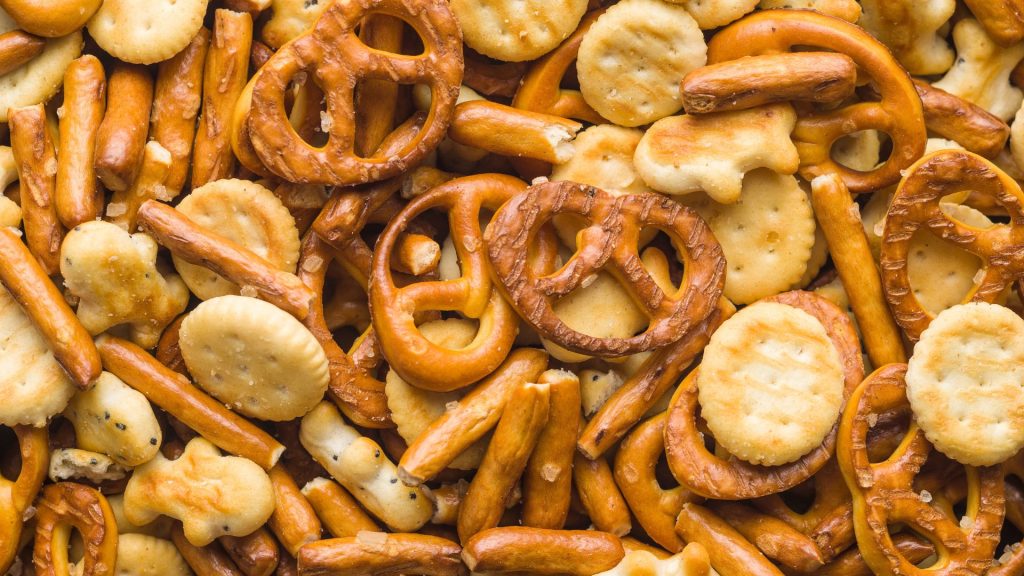
Pretzels, tortilla chips, and hard crackers may seem harmless, but their rigid, crunchy texture can place repeated stress on tooth enamel. Biting down on these foods — especially thicker or overly hard pieces — creates pressure that can gradually weaken enamel, making teeth more vulnerable to small fractures.
Over time, these tiny cracks can worsen, leading to sensitivity or pain when chewing. This risk is even higher for teeth with existing dental work or enamel wear.
Tip: Chew crunchy snacks slowly and avoid especially hard pieces.
10. Sticky Candies That Harden
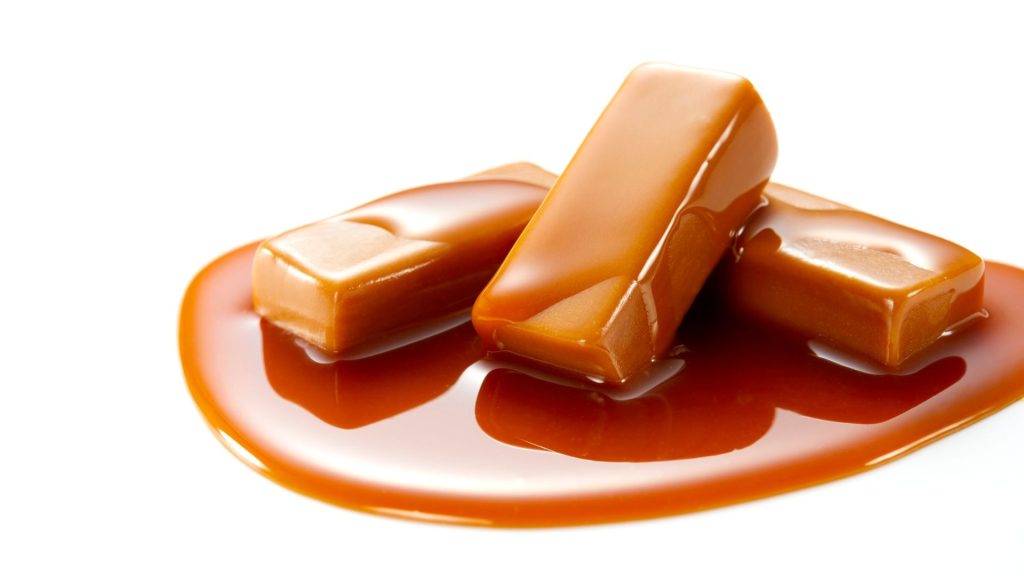
Some chewy candies become firm as you bite into them, creating resistance that puts added pressure on your teeth and can lead to cracks, while also raising the risk of cavities. Caramel candies, in particular, are deceptively problematic. Although they’re softer than hard candies, their real danger lies in how sticky they are.
As you chew, caramel can cling tightly to teeth and dental restorations, potentially pulling loose fillings, crowns, or even already-weakened teeth free.
Similar risks apply to candies like taffy and Starburst, which can stretch and lodge between teeth, placing extra strain on enamel and dental work. While it’s best to limit sticky candies altogether, if you do indulge, brushing and flossing thoroughly afterward is essential, helping reduce the chance of damage or longer-term dental issues.
Tip: Limit sticky sweets and rinse your mouth afterward, along with brushing and flossing thoroughly.
Why Cracked Teeth Are A Serious Dental Issue
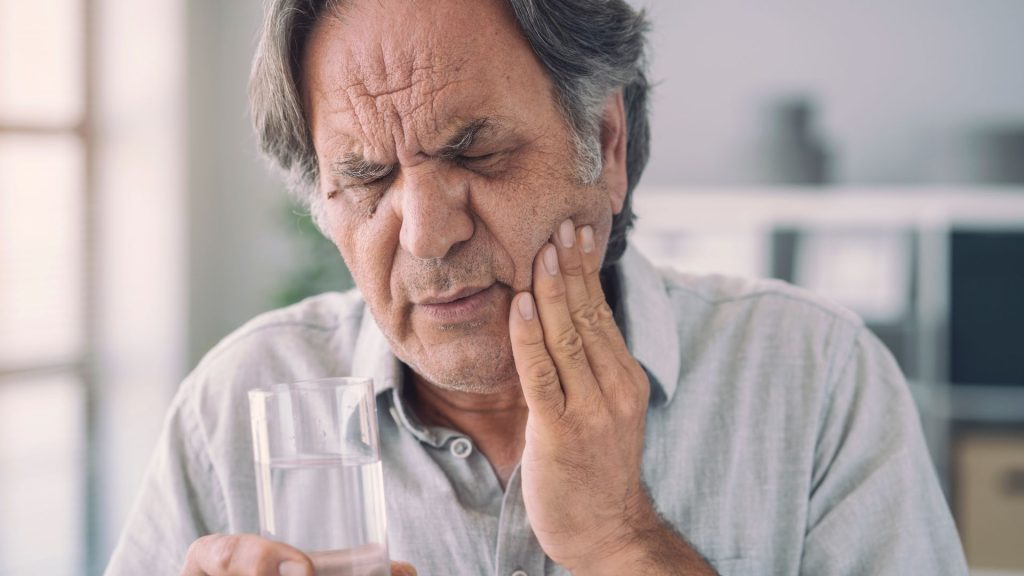
A cracked tooth isn’t always painful right away, but it can allow bacteria to enter the inner layers of the tooth. This can lead to:
- Tooth sensitivity
- Pain when chewing
- Infection or abscess
- Need for crowns, root canal treatment, or extraction
Early diagnosis greatly improves outcomes.
How To Prevent Tooth Cracks
To reduce your risk of cracked teeth:
- Avoid chewing ice or hard objects
- Don’t use your teeth to open packaging
- Eat slowly and be mindful of texture
- Wear a night guard if you grind your teeth
- Schedule regular dental exams
When To See A Dentist
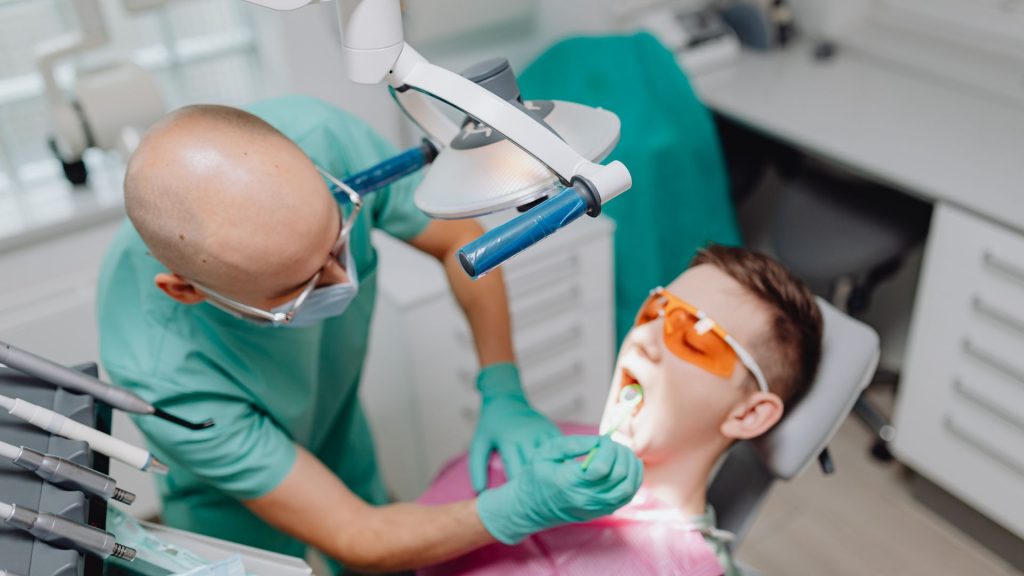
Contact your dentist if you notice:
- Sharp pain when biting
- Sensitivity to temperature
- Visible cracks or chips
- Ongoing discomfort
Prompt treatment can often save the tooth.
Protect Your Smile For The Long Term
Being mindful of what you eat—and how you eat—can make a significant difference in preventing cracked teeth. With the right habits and regular dental care, you can keep your teeth strong, functional, and healthy for years to come.
If you’re concerned about tooth damage or want guidance on protecting your smile, contact us to schedule an appointment.